On May 2, 2019, the United States Trademark Office issued new Examination Guidelines for goods and services associated with cannabis and cannabis-derived products and services legalized under the 2018 Farm Bill.[1] This crack in the federal armor against the cannabis economy opens the door for the federal registration of trademark rights and is an important step toward normalizing the nation’s laws governing cannabis and cannabis-related business activities in states where such products are legal. Continue Reading The U.S. Trademark Office Opens The Door to Registering Certain Cannabis Trademarks
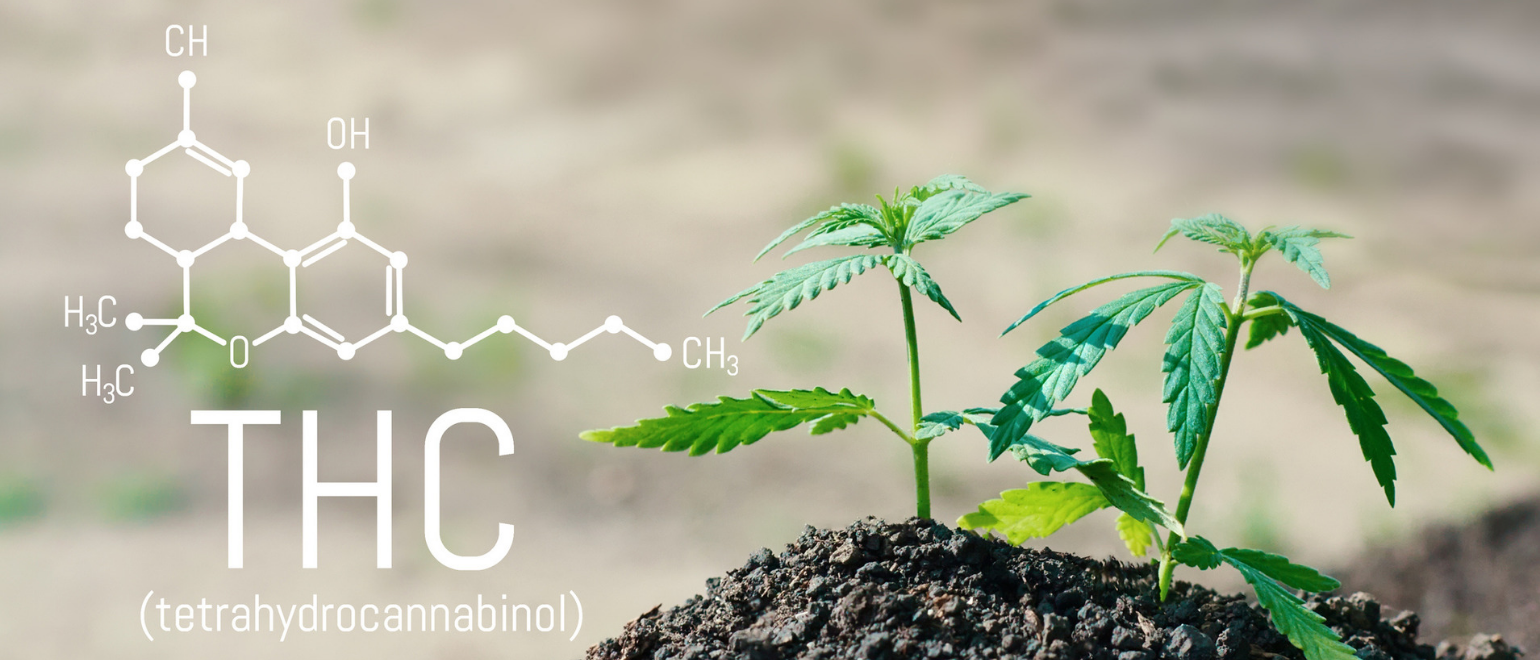
On April 9, 2019, New York’s City Council passed legislation, available here, which will prohibit employers from requiring prospective employees to submit to testing for tetrahydrocannabinols (THC), the active ingredient in marijuana, as a condition of employment. If, as expected, Mayor Bill de Blasio signs the law into effect, the New York City Human Rights Law will be amended to make it a discriminatory practice to require pre-employment marijuana testing of employees in New York City. Continue Reading New York City Council Passes Legislation Banning Marijuana Testing of Job Applicants

*This article was originally posted in Law360 on June 4, 2019.

The much-anticipated public hearing last week at the U.S. Food and Drug Administration on cannabis and cannabis-derived compounds drew a wide audience of participants, with strong views on how the FDA should (or should not) regulate the controversial plant.

In an amazingly short period of time, hemp-derived products, including those containing cannabidiol, have moved from the fringe to the mainstream, from state-licensed dispensaries to traditional brick-and-mortar retailers. And yet, the FDA’s position has been clear — it is illegal to sell human food, pet food, dietary supplements and unapproved drugs that contain CBD. Continue Reading What We Learned From FDA’s Public Hearing On Cannabis*

On May 1, 2019, AAFCO provided updated guidelines regarding the use of hemp in animal food, including how this market is affected by the Agricultural Improvement Act of 2018 (the “Farm Bill”). Although the AAFCO is not a government agency, its members are government agencies that represent the 50 states, the US Food and Drug Administration (FDA) Center for Veterinary Medicine, and the Canadian Food Inspection Agency.  Continue Reading AAFCO Issues Updated Guidelines Regarding Hemp in Animal Food

Patentees and inventors of cannabis compounds may be happy to learn a district court in Colorado recently held that, based on the record before it, U.S. Patent No. 9,730,911, entitled “Cannabis extracts and methods of preparing and using same,” is not directed to unpatentable natural phenomena. United Cannabis Corporation v. Pure Hemp Collective Inc., No. 1-18-cv-01922 (Apr. 17, 2019, Order) (William J. Martinez). Continue Reading Yes, UCANN!

While the legal landscape continues to evolve in the cannabis industry, making entry into the space a potentially risky proposition,  the passage of the Agriculture Improvement Act of 2018 (the “Farm Bill”) can be a real game changer in attracting mainstream companies to the industry.

According to the Farm Bill, hemp is now exempt from the Federal Controlled Substance Act (“CSA”), theoretically making all hemp-derived cannabidiol (CBD) products, and all commercially available products derived from hemp, legal in all 50 statesContinue Reading The Farm Bill’s Impact on Hemp and CBD – and How Some States are Reacting

The legalization of recreational use of marijuana in several states, including California, has left many employment policies vague and confused. This article offers insights to questions every employer should be asking in light of legalization.

California’s Rollout of Legal Marijuana

California voters passed the Adult Use of Marijuana Act (“Prop 64”) on November 8, 2016, legalizing recreational marijuana use. However, the California Bureau of Cannabis Control only began accepting, processing, and issuing licenses to commercial marijuana dispensaries as of January 1, 2018. As of April 2018, the Bureau has granted over 5,000 licenses for a variety of commercial uses, including retail sales and distribution.

Prop 64 legalizes the use and cultivation of marijuana for adults 21 years of age or older, reduces criminal penalties for specific marijuana-related offenses for adults and juveniles, and authorizes resentencing or dismissal and sealing of prior, eligible marijuana-related convictions. It also includes provisions on regulation, licensing, and taxation of legalized use. Given California’s size and wealth, the legalization has broad implications for businesses. Continue Reading It’s High Time to Update Your Marijuana Policies